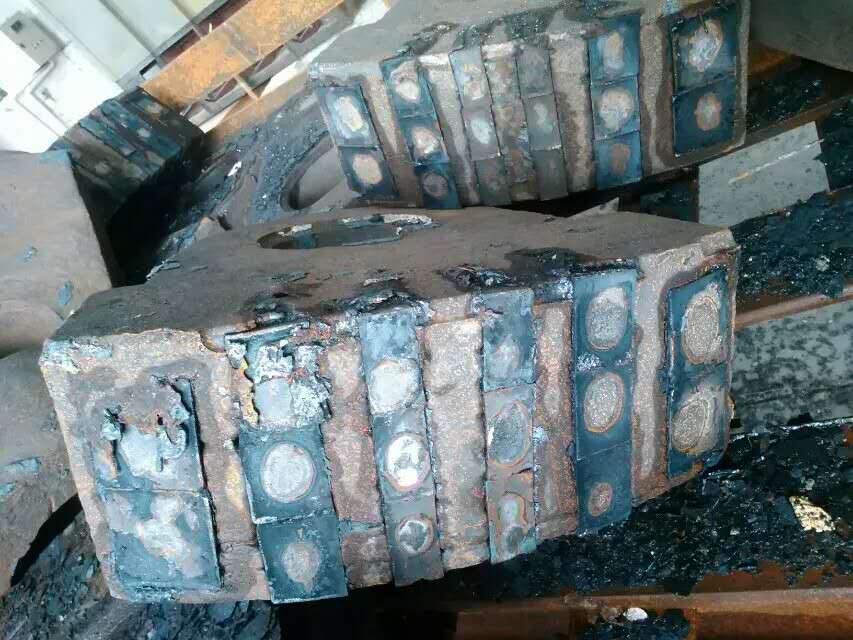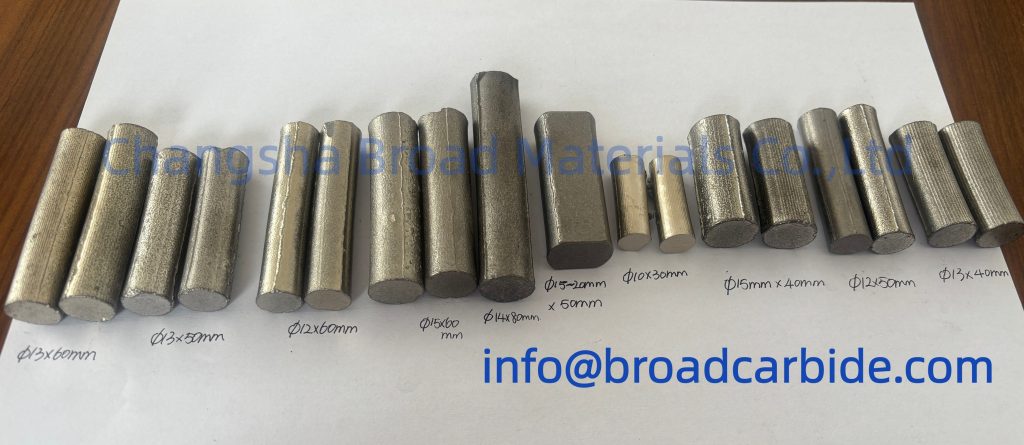
The economic viability of applying TiC-cermet composite parts mainly depends on the following factors:
- Unit Crushing Cost = (Casting Price ÷ Processing Tonnage) + Downtime Loss
Although the unit price of TiC-inlaid composite parts may be 2-3 times that of high-manganese steel, if their service life is extended by more than 3 times and downtime is reduced, the total cost will be lower. - High Production Line Continuity Requirements (e.g., cement plants or large-scale sand and gravel aggregate lines)
In such operations where continuous production is critical, reducing even a single downtime event can save significant amounts in electricity costs, labor, and production capacity loss—often amounting to tens of thousands of dollars. - Spare Parts Inventory Pressure
An extended service life of TiC cermet rods can reduce the variety and quantity of spare parts needed, thereby alleviating inventory pressure and optimizing spare parts management.
Rule of Thumb: When the SiO₂ content of the material exceeds 60% or the Bond Work Index (BWI) is greater than 18 kWh/t, it is recommended to consider TiC-inlaid composite solutions for better economic performance and durability.