
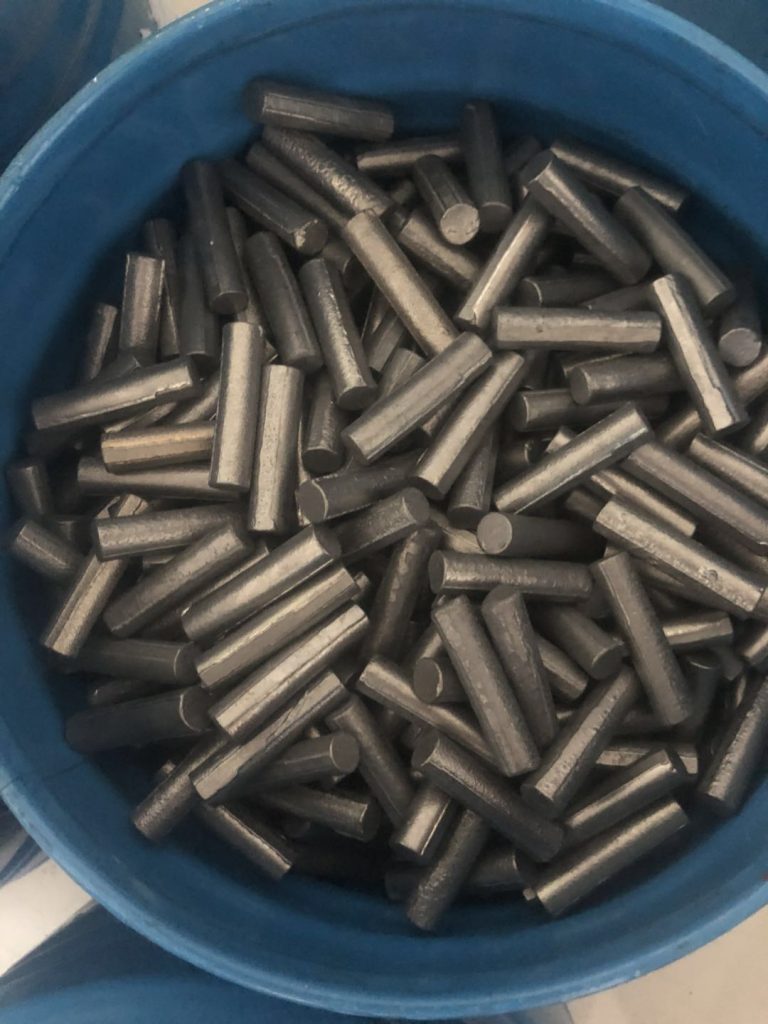
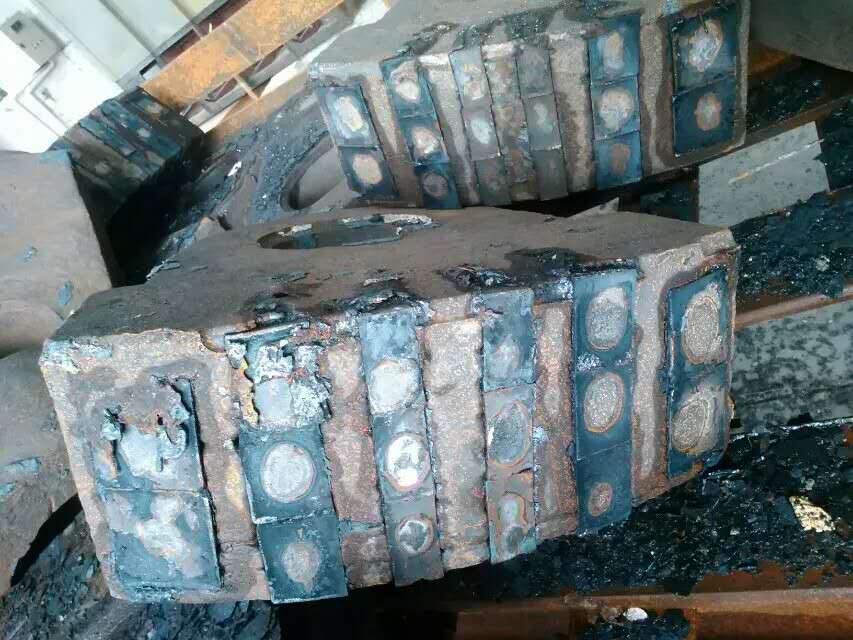
When you’re reinforcing high-manganese steel, you have two choices: Tungsten Carbide (WC-Co) or Steel-Bonded Titanium Carbide (TiC). WC-Co is hard, sure. But Broadcarbide’s TM52 is the superior choice for casting. Why? Because unlike Tungsten Carbide, TM52 shares the same “DNA” as your steel base.
Dealing with Heat
Composite casting is a thermal shock event. If your materials react differently to heat, they pull apart.
- Matched Conductivity: Titanium carbide inserts has a thermal conductivity of 12.979 W/(m·℃)—almost identical to high-manganese steel.
- Harmony in Cooling: This means they expand and contract together. WC-Co fights the steel as it cools, leading to cracks. TM52 moves with the steel, minimizing thermal stress.
The “Manganese Gene”
We like to say TM52 Titanium carbide inserts and High-Manganese Steel share a “gene”. - No Rejection: Since TM52 Titanium carbide inserts uses a steel binder, there’s no metallurgical rejection when the molten steel hits it.
- Dense Bond: You get a tight, gap-free interface without having to overheat the steel, which preserves the carbide’s integrity.
Built for Impact
Tungsten Cobalt alloys are notoriously brittle. TM52 behaves differently. - It Gets Tougher: Just like the manganese steel around it, TM52 exhibits work hardening under impact.
- Non-Magnetic: Both materials are non-magnetic, further proving their physical compatibility.
Stop fighting physics with mismatched materials. Choose TM52—the material designed to bond with your steel, not reject it.
Changsha Broad Materials Co.,Ltd
Changsha Broad Materials Co.,Ltd